Medical Aesthetics
Non-Surgical Medical Aesthetic Treatments
These treatments may help improve the appearance of certain skin or facial features.

EMFACE is a non-surgical facial procedure that combines synchronised radio frequency (RF) with High-Intensity Facial Electromagnetic Stimulation (HIFES™). These two technologies are delivered simultaneously, targeting both the skin surface and underlying facial structures.
By combining these technologies, EMFACE may help improve the visible appearance of skin quality and facial definition without the use of needles or surgery.
EMFACE is a non-surgical procedure that combines synchronised radiofrequency (RF) with high-intensity facial electromagnetic stimulation (HIFES™). The technology is designed to target both the skin surface and underlying facial structures in order to support facial tone and improve the appearance of skin quality.
A series of sessions may be recommended depending on your individual assessment and desired outcomes.

EMFACE is a non-surgical facial procedure that combines synchronised radiofrequency (RF) with high-intensity facial electromagnetic stimulation (HIFES™). It may be applied to several areas of the face to support cosmetic outcomes related to appearance.
Common treatment areas include:
Suitability for EMFACE is assessed on an individual basis. A qualified health practitioner will review your medical history, discuss your expectations, and determine whether this procedure is appropriate for you.
Contraindications for EMFACE treatment include:
Your practitioner will provide tailored advice during consultation and may suggest alternative options if EMFACE is not appropriate for your circumstances.
Some people notice changes within weeks of completing a treatment series, with further differences becoming visible over 2–3 months. The duration of outcomes varies between individuals. Your practitioner may discuss whether repeat sessions are appropriate to help maintain appearance changes over time.
Comfort levels differ from person to person. Many people describe the sensation as warmth with mild muscle contractions or tingling. While generally well tolerated, experiences vary, and your practitioner can use strategies to support comfort during the procedure.
EMFACE may help improve the appearance of facial tone and skin quality for some individuals. Outcomes differ depending on factors such as age, skin type, and muscle characteristics, and no result can be guaranteed. A consultation with a qualified health practitioner is required to determine suitability and discuss alternatives.
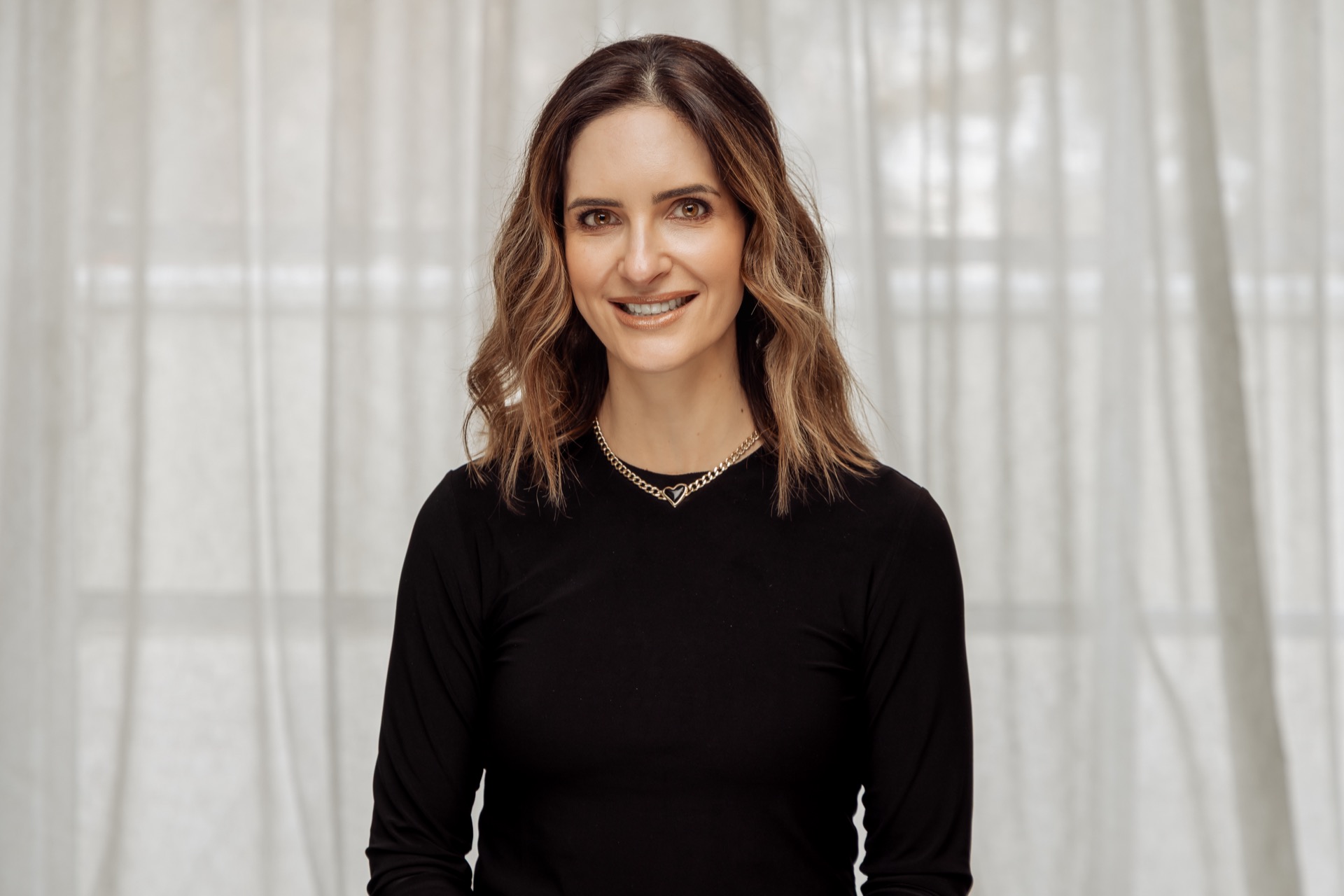
With 20+ years of experience as a skin therapist, Nicky is passionate about matching the right product to the appropriate indication.
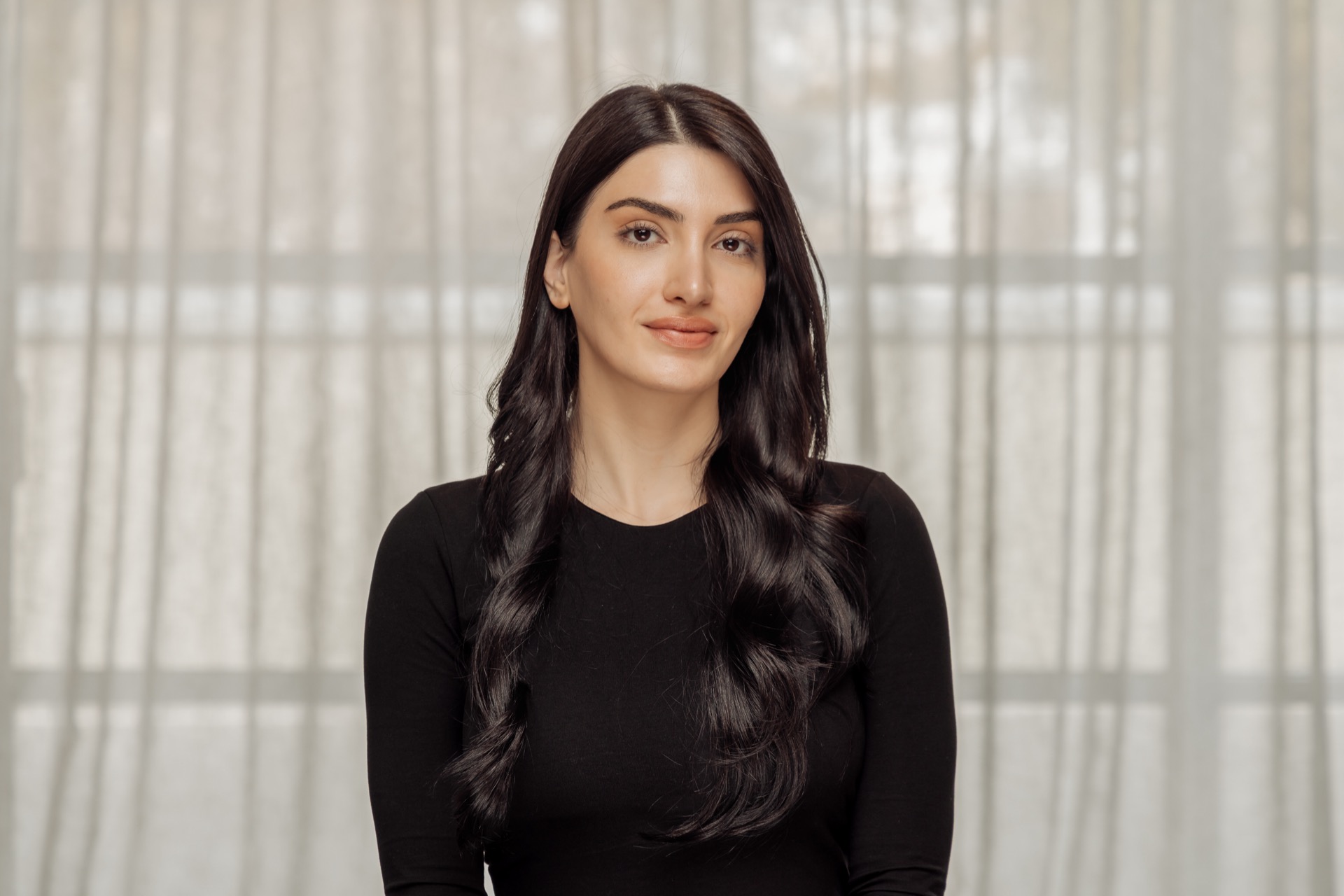
Naome has a calm and compassionate approach to patient care. She has a strong passion for skin health and helping others feel confident in their own skin.
These treatments may help improve the appearance of certain skin or facial features.
Combines microneedling and radiofrequency to target deeper layers of the skin. This may support improvements in the appearance of uneven texture, tone, or laxity.
A polynucleotide derived from salmon DNA with the aim of improving the appearance of the skin and reducing inflammation.
Focused ultrasound technology that targets specific layers beneath the skin’s surface. It may improve the appearance of laxity and changes along the jawline, neck, and décolletage.
Fine, dissolvable sutures placed just beneath the surface of the skin to create a temporary supportive framework which may help improve the appearance of skin texture and firmness over time.
Also known as facelift surgery, Rhytidectomy is a surgical procedure that repositions the soft tissues of the midface and lower face and removes areas of excess skin.
Also known as neck lift surgery, Cervicoplasty involves the removal of excess skin from the neck and under-chin areas.
A minimally invasive procedure that uses the ICLED® light-guided suture system to support the underlying soft tissues in the neck.
Risks & Recovery






From 1 July 2023, Australian Government regulations require confirmation that visitors accessing content related to medical aesthetic procedures are over 18 years of age.
This website contains information about elective cosmetic and plastic surgery procedures, which are not medically necessary. All information provided is for general educational purposes only and is not a substitute for professional medical advice.
Some procedures may involve the use of prescription-only medicines (Schedule 4 substances), which cannot be advertised to the public. Individual suitability, potential risks and outcomes can only be discussed during a private consultation with a qualified health practitioner.
By selecting enter, you confirm that you are 18 years or older and understand that the content on this site relates to non elective cosmetic procedures.